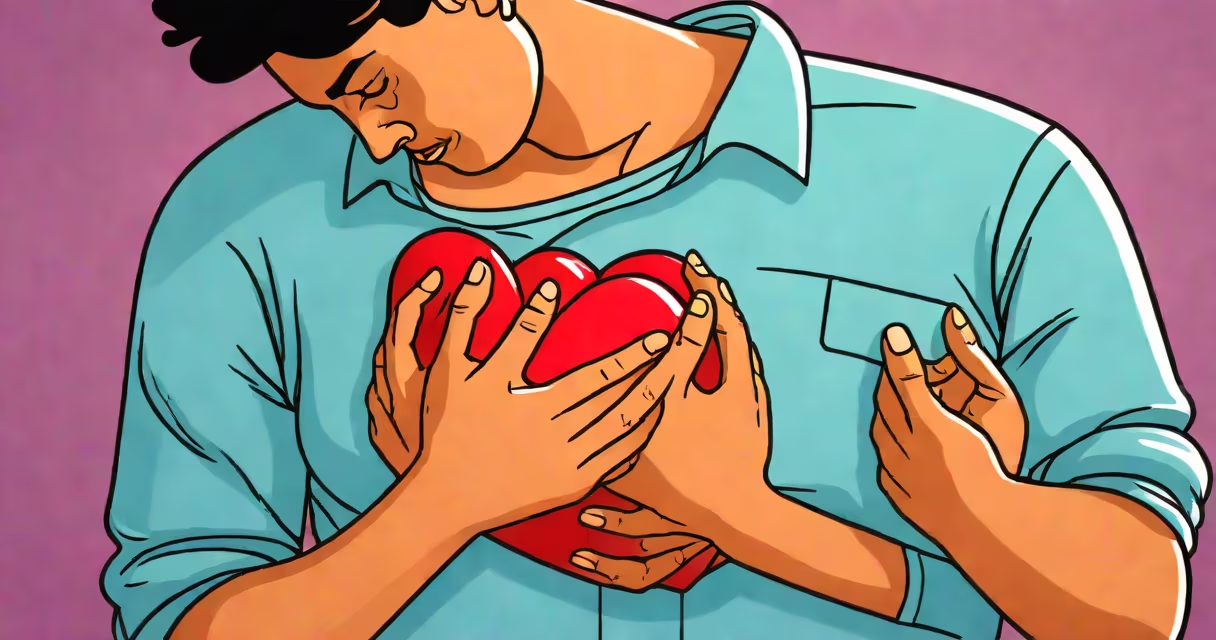
When your heart hurts, it may indicate either physical chest pain or emotional distress. These sensations differ in cause, intensity, and treatment.
Heart-related pain can stem from physical conditions like angina or heart attacks, while emotional pain often results from stress, grief, or anxiety. Physical pain typically feels sharp or pressing, whereas emotional pain may manifest as tightness or ache.
| Type | Description | Common Causes |
|---|---|---|
| Physical Pain | Sharp, squeezing, or burning sensation in the chest | Heart attack, angina, muscle strain, acid reflux |
| Emotional Pain | Aching or tightness, often linked to stress or sadness | Grief, anxiety, heartbreak, stress |
Physical heart pain often occurs in the chest, sometimes radiating to the arms, neck, or jaw. Emotional pain may feel centered in the chest but can also affect the entire body. Both types require different approaches: physical pain needs medical evaluation, while emotional pain benefits from stress management techniques.
Many people confuse heartburn with heart-related pain. Heartburn usually feels like a burning sensation behind the breastbone and worsens when lying down. Unlike heart attacks, which may cause sweating, nausea, or lightheadedness, heartburn doesn't typically have these symptoms.
Another misconception is that emotional pain isn't serious. While not life-threatening, prolonged emotional stress can lead to physical health issues, including high blood pressure and weakened immunity. Recognizing the source of heart-related discomfort is important for proper care.
I once experienced sharp chest pain after a stressful event. Initially, I feared a heart attack, but after visiting a doctor, I learned it was muscle strain from tension. Understanding the difference helped me manage similar episodes better.
Consider Sarah, who felt a sudden tightness in her chest after an argument with her partner. She described it as an aching sensation, not sharp or burning. Her doctor ruled out physical causes and suggested stress management techniques. Sarah later realized her discomfort was emotional, triggered by the conflict.
In contrast, John experienced crushing chest pain during exercise. The pain radiated to his left arm, and he broke out in a cold sweat. He sought immediate medical attention and was diagnosed with angina. This example highlights the importance of recognizing severe symptoms that may indicate a heart issue.
For more on physical heart conditions, see heart murmur symptoms.