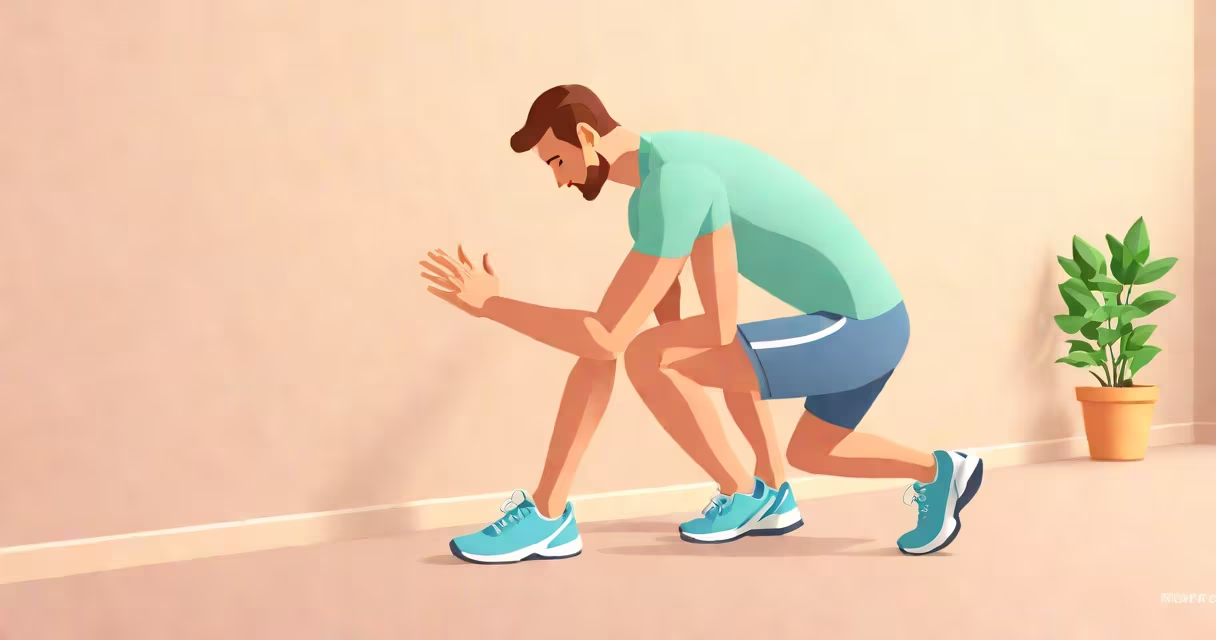
Calf muscles tighten due to overuse, dehydration, or poor circulation. These conditions strain the gastrocnemius and soleus muscles, reducing flexibility and causing discomfort.
The calf muscles, primarily the gastrocnemius and soleus, contract and relax to enable movement. Overuse or improper care can cause them to remain partially contracted, leading to tightness. This condition often results from prolonged standing, intense exercise, or inadequate stretching.
| Type | Cause | Common Symptoms |
|---|---|---|
| Acute Tightness | Sudden overexertion or injury | Sharp pain, immediate discomfort |
| Chronic Tightness | Repetitive strain or poor posture | Persistent discomfort, reduced flexibility |
| Dehydration-Related | Insufficient water intake | Muscle cramps, spasms |
Calf tightness commonly affects athletes, desk workers, and individuals with sedentary lifestyles. Athletes experience it due to intense training, while desk workers suffer from prolonged sitting and lack of movement. Addressing tightness involves stretching, hydration, and proper footwear.
Many believe calf tightness only affects athletes. However, it also impacts those with tight lumbar muscles and poor circulation. Another myth is that tightness always requires medical intervention. Often, simple stretches and hydration resolve the issue.
After a long hike, a person notices their calves feel stiff and painful. They try static stretching, like leaning against a wall with one leg extended behind them, heel on the ground. After holding the stretch for 30 seconds, they feel relief. This shows how targeted stretching can alleviate tightness caused by overuse.
For persistent tightness, consult a healthcare professional to rule out underlying conditions like peripheral artery disease or muscle strains.