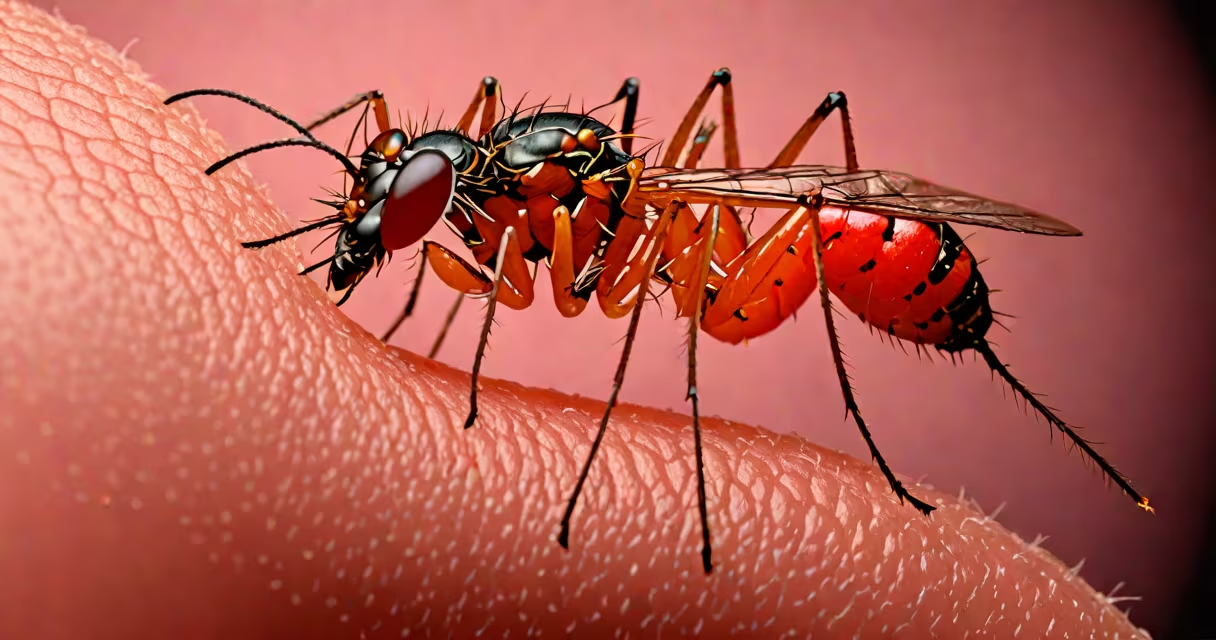
Gnat bites itch intensely because their saliva contains irritants that trigger an immune response, causing histamine release that leads to swelling, redness, and itching. This reaction is your body's way of trying to flush out the foreign substances.
Unlike mosquito bites, which often leave a single raised bump, gnat bites typically appear as clusters of small red welts. The itching from gnat bites tends to be more persistent and severe due to the specific proteins in their saliva that provoke a stronger immune reaction.
When a gnat bites, it injects saliva containing enzymes that prevent blood from clotting. Your immune system recognizes these enzymes as foreign invaders and releases histamine to fight them. Histamine causes blood vessels to dilate and become leaky, allowing immune cells to reach the site but also causing swelling, redness, and itching.
According to the American Academy of Dermatology, histamine is a key player in the itch response. The more histamine released, the more intense the itch. Gnat saliva triggers a particularly strong histamine response compared to other insects.
Many people assume that all insect bites cause similar reactions. However, gnat bites are often more irritating than mosquito or flea bites. Another myth is that scratching relieves the itch, but it actually makes it worse by releasing even more histamines and causing further inflammation.
To reduce the itching from gnat bites, apply a cold compress to constrict blood vessels and numb the area. Over-the-counter hydrocortisone cream can reduce inflammation, while antihistamine creams or oral medications can block the histamine response. Avoid scratching, as it can lead to infection and worsen the itch.
Last summer, I spent an afternoon by a lake and returned with dozens of gnat bites. The itching was relentless, but applying a cold compress and using an over-the-counter antihistamine cream provided significant relief within hours. I also found that keeping my nails short helped resist the urge to scratch.
If the itching persists or shows signs of infection, such as increased redness, swelling, or pus, consult a healthcare professional for appropriate treatment options. For more information, see gnat bite treatments.