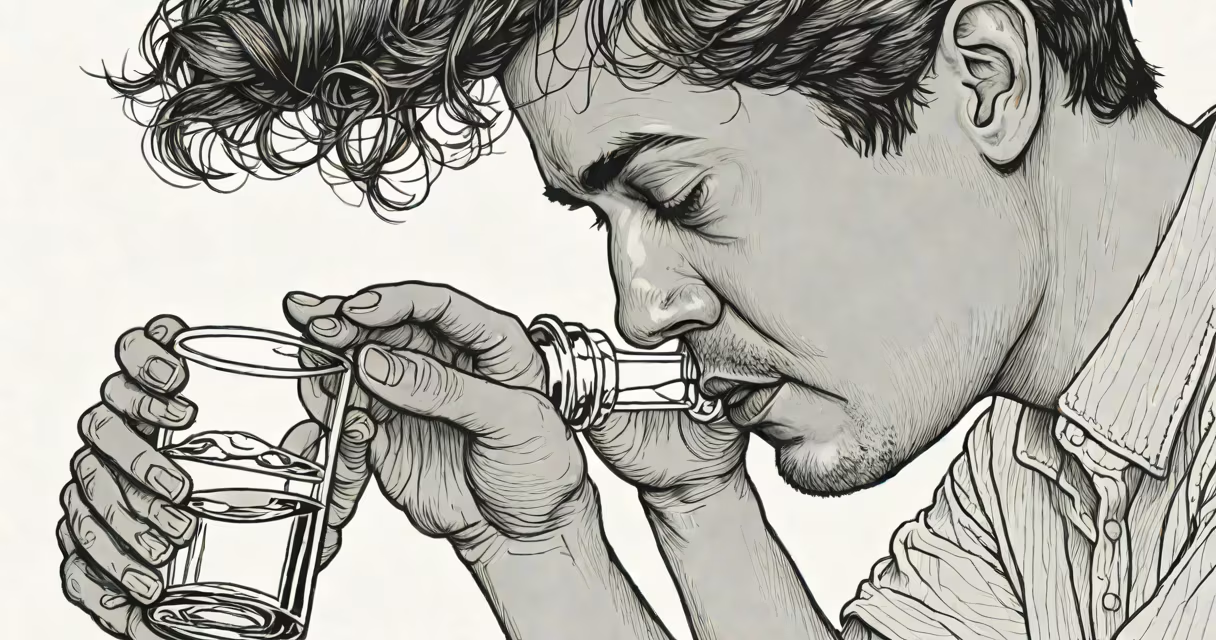
Drinking water can make you feel tired because it triggers a temporary drop in blood sodium levels, diluting electrolytes like sodium and potassium that regulate nerve and muscle function. This often happens when you drink large amounts quickly, overwhelming your kidneys' ability to process the excess water.
The kidneys typically filter about 200 liters of plasma daily, but they can only process about 0.8 to 1 liter of water per hour. Drinking more than this overwhelms the system, leading to a temporary drop in sodium levels. Athletes and endurance runners are particularly susceptible, as they often consume large amounts of water during intense exercise.
The most common causes of post-hydration fatigue include:
Many people assume that drinking water always leads to increased energy levels. However, excessive water intake can have the opposite effect. For example, marathon runners who drink large amounts of water without electrolytes often experience fatigue and muscle cramps. This is why sports drinks, which contain electrolytes, are recommended for endurance athletes.
During a marathon, runners lose significant amounts of water through sweat. To compensate, they often drink large quantities of water at aid stations. However, if they don't replenish electrolytes, they can develop hyponatremia, leading to fatigue, headaches, and even seizures. This is why many runners now use electrolyte tablets or sports drinks to maintain their sodium levels.
I observed this firsthand during a half-marathon where several runners collapsed due to overhydration. They had drunk excessive water but neglected electrolytes, resulting in severe fatigue and muscle cramps. This highlights the importance of balancing water intake with electrolyte replenishment.
While mild fatigue after drinking water is usually harmless, severe symptoms like confusion, seizures, or unconsciousness indicate hyponatremia and require immediate medical attention. Other signs include nausea, vomiting, and muscle spasms. If you experience these symptoms, seek medical help immediately.
According to the Mayo Clinic, severe hyponatremia can be life-threatening if left untreated. It's essential to monitor your water intake, especially during intense physical activity, and to replenish electrolytes when necessary.
To avoid feeling tired after drinking water, follow these tips:
By understanding why drinking water can make you tired and taking steps to prevent it, you can stay hydrated without experiencing unwanted fatigue.