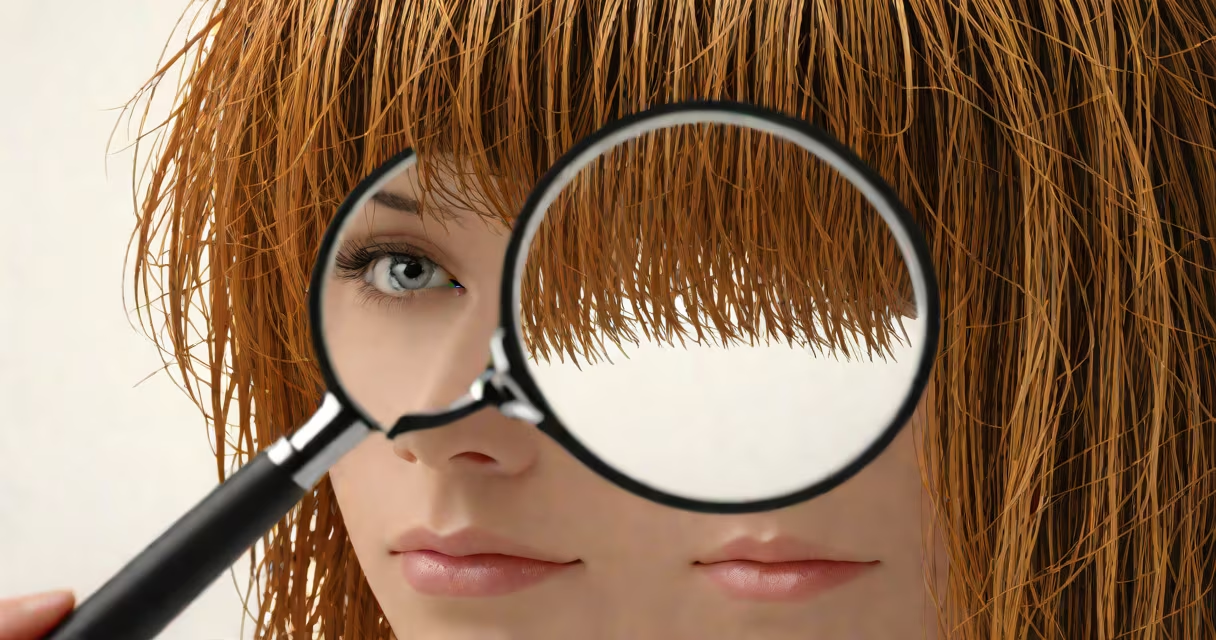
Straight hair becomes frizzy when moisture in the air disrupts its smooth cuticle layer, causing strands to swell and separate. This happens most often in humid weather or when hair lacks proper moisture and protection.
Each hair strand has overlapping scales called cuticles. When straight hair is healthy, these cuticles lie flat, reflecting light and creating that sleek appearance. But when exposed to humidity or dryness, these cuticles lift, allowing moisture to penetrate the hair shaft. As the inner cortex absorbs water, the hair swells and the cuticles separate even further, creating frizz.
The most common causes include:
To minimize frizz, focus on sealing the cuticle and maintaining moisture balance. Start with a sulfate-free shampoo and a hydrating conditioner. Apply a leave-in conditioner or anti-frizz serum while the hair is still damp to lock in moisture. Avoid brushing dry hair, as this can lift the cuticles and cause frizz. Instead, use a wide-tooth comb on wet hair and a boar bristle brush on dry hair to smooth the cuticles.
For extra protection, use a heat protectant before styling and avoid excessive heat exposure., consider using a silk or satin pillowcase, as cotton can create friction and contribute to frizz.
Many people assume that only curly or wavy hair gets frizzy. However, straight hair is just as susceptible, especially when it's dry or damaged. Another myth is that frizz is solely caused by humidity. While humidity plays a significant role, factors like hair porosity, product choice, and environmental stressors also contribute.
One often-overlooked factor is hair porosity. High-porosity hair absorbs moisture quickly but also loses it just as fast, leading to frizz. To check your hair's porosity, place a strand in a glass of water. If it sinks, your hair has high porosity and may benefit from protein treatments to strengthen it.
If frizz persists despite proper care, it may indicate underlying damage or scalp issues. A trichologist or hairstylist can assess your hair's health and recommend targeted treatments, such as deep conditioning masks or scalp treatments to improve moisture retention.
In my experience working with clients who struggle with frizz, the most effective solution is often a combination of the right products and techniques tailored to their specific hair type and concerns. For example, someone with fine, straight hair might benefit from lightweight, silicone-based serums, while those with thicker hair may need richer creams to seal the cuticle.