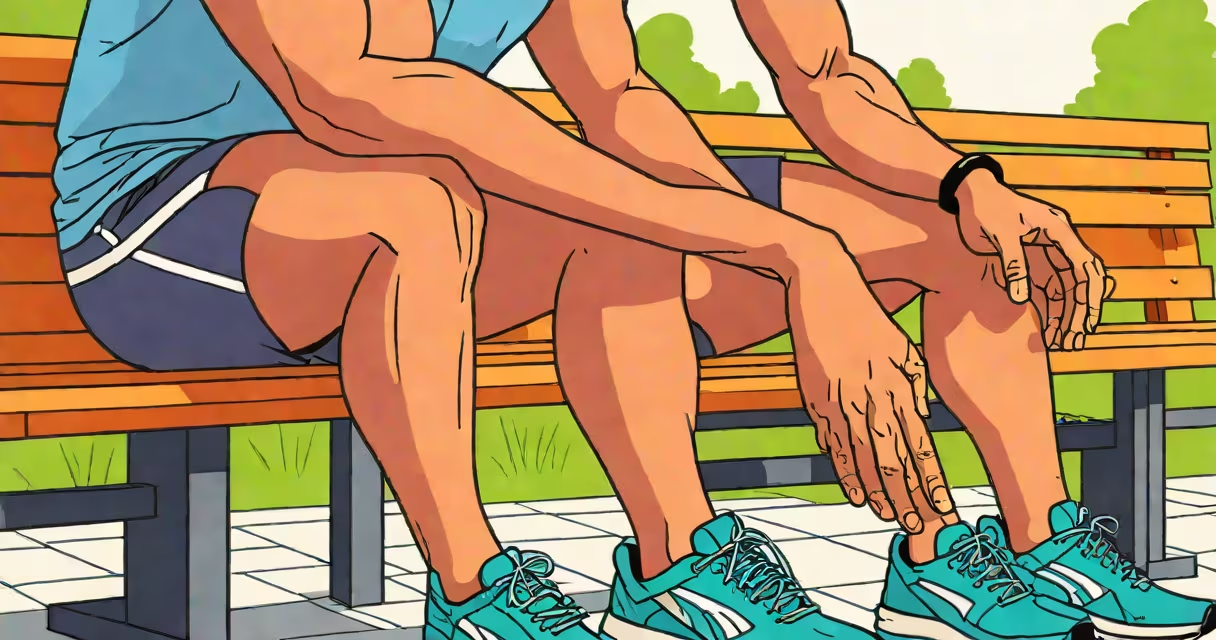
Muscle pain in the thigh after exercise typically results from overexertion, poor form, or delayed onset muscle soreness (DOMS). Most cases resolve within days, but persistent or severe pain may indicate injury.
Thigh pain after exercise occurs when muscle fibers sustain microtears during exertion. The body repairs these tears, causing inflammation and soreness. This process is normal and part of muscle adaptation, but excessive strain can lead to prolonged discomfort or injury.
The most common causes of thigh pain after exercise include:
Thigh pain often occurs after high-intensity workouts, endurance activities, or introducing new exercises. For example, a runner switching to hill sprints may experience quad pain due to increased load. Poor warm-up routines or inadequate recovery also contribute.
Many assume thigh pain always signals a serious injury. However, mild soreness is usually temporary. Persistent or sharp pain, especially with swelling or bruising, may indicate a muscle strain or other injury requiring medical attention.
Another misconception is that stretching prevents DOMS. Research shows stretching before or after exercise doesn't reduce soreness. Instead, gradual progression in exercise intensity helps prevent excessive muscle damage.
For mild soreness, rest, hydration, and gentle movement help. Applying ice reduces inflammation, while heat promotes blood flow. Over-the-counter pain relievers like ibuprofen can ease discomfort. If pain persists, see a doctor to rule out injuries like a muscle tear or stress fracture.
Seek medical attention if thigh pain lasts beyond two weeks, worsens, or is accompanied by swelling, bruising, or inability to bear weight. These symptoms may indicate a muscle tear, tendonitis, or other injury requiring professional treatment.
If you experience after gym muscle pain that doesn't improve with rest, consult a healthcare provider to determine the cause and appropriate treatment.