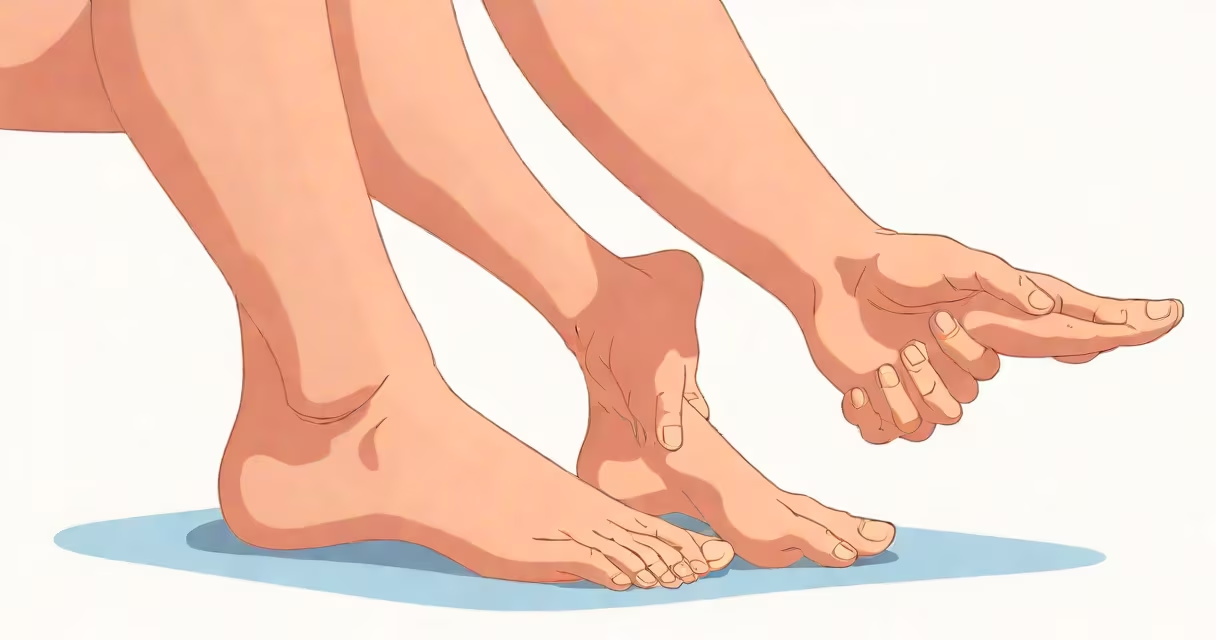
A muscle spasm in ankle is an involuntary, painful contraction of muscles around the ankle joint, often caused by overuse, dehydration, or electrolyte imbalances. These spasms can last and may feel like a sudden, sharp cramp.
Muscle spasms occur when muscles contract involuntarily and refuse to relax. In the ankle, this often involves the gastrocnemius or soleus muscles (part of the calf) or the smaller muscles that stabilize the ankle joint. The spasm interrupts normal movement, causing sudden pain and stiffness.
Ankle spasms typically fall into two categories:
| Type | Cause | Duration |
|---|---|---|
| Tonic Spasm | Overuse or sudden strain | Seconds to minutes |
| Clonic Spasm | Nerve irritation or electrolyte imbalance | Intermittent twitching |
Most ankle spasms are tonic, triggered by physical exertion or poor circulation. Clonic spasms, which involve rapid twitching, are rarer and may signal nerve issues.
Dehydration is the most frequent cause, as low fluid levels disrupt electrolyte balance, impairing muscle function. Other triggers include:
I once experienced a severe ankle spasm during a long hike. After hours of walking, my calf suddenly locked up, forcing me to stop. Stretching and rehydrating helped resolve it within minutes.
For immediate relief, gently stretch the affected muscle and apply heat or light massage. Hydrate with water and electrolytes (like coconut water or sports drinks). Over-the-counter pain relievers can reduce inflammation if swelling occurs.
Prevent future spasms by staying hydrated, warming up before exercise, and maintaining proper nutrition. If spasms persist, consult a doctor to rule out underlying conditions like nerve damage or circulatory issues.
Seek medical attention if spasms occur frequently, last longer than 15 minutes, or are accompanied by swelling, redness, or numbness. These symptoms may indicate a more serious issue, such as a torn muscle or nerve compression.
Chronic spasms without clear cause warrant further evaluation. A physician may recommend tests like an MRI or electromyography (EMG) to assess muscle and nerve function.
Many people assume ankle spasms are always due to overexertion. While exercise is a common trigger, dehydration and electrolyte imbalances are equally likely causes., some confuse ankle spasms with muscle strains, though strains involve tearing rather than involuntary contraction.
Another mistake is ignoring persistent spasms. While occasional spasms are usually harmless, frequent or severe episodes may signal nerve damage or circulatory problems.