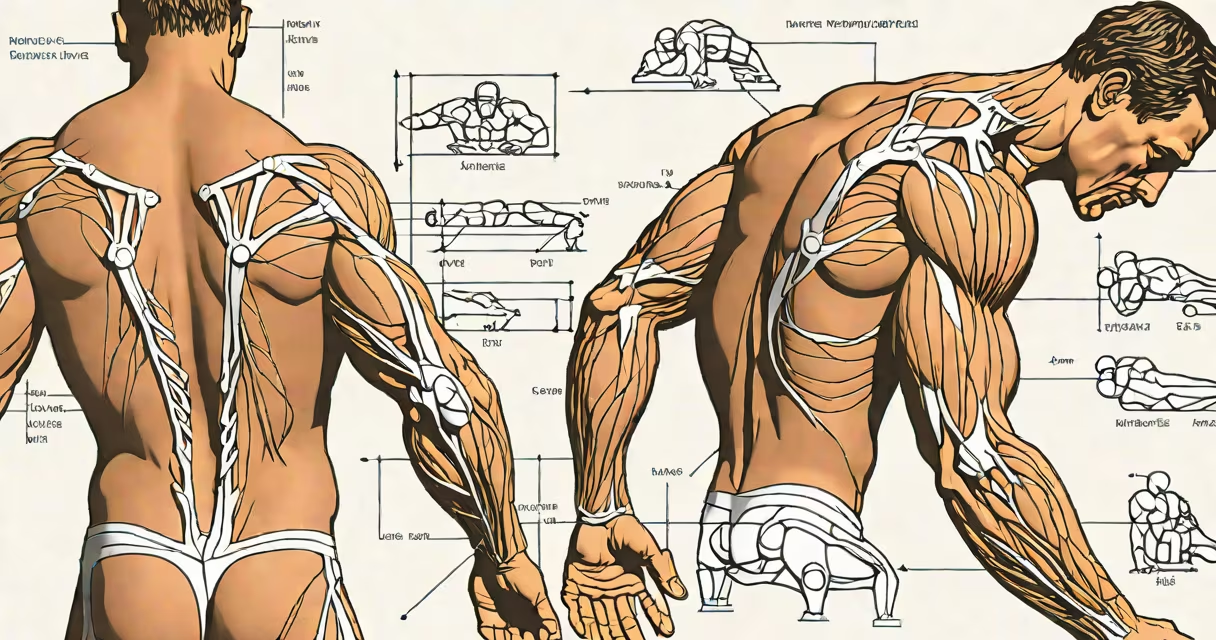
Muscle tension in shoulders occurs when the muscles in your upper back and shoulders remain contracted rather than relaxed. This common condition often results from stress, poor posture, or repetitive motions.
Shoulder tension happens when muscle fibers stay partially contracted instead of fully relaxing. Over time, this chronic contraction leads to stiffness, soreness, and reduced mobility. The most common triggers include:
There are two primary types of muscle tension in shoulders:
| Type | Characteristics |
|---|---|
| Acute tension | Sudden onset, often from specific activities or injuries |
| Chronic tension | Long-term tension developing over weeks or months |
Symptoms vary but typically include:
For immediate relief, try these techniques:
For long-term management, regular exercise, stress reduction, and ergonomic adjustments are essential. A physical therapist can provide personalized treatment plans for persistent cases.
I've found that maintaining good posture while working at a desk reduces my shoulder tension. Simple adjustments like keeping feet flat on the floor and using a lumbar support pillow have made a noticeable difference in my daily comfort.