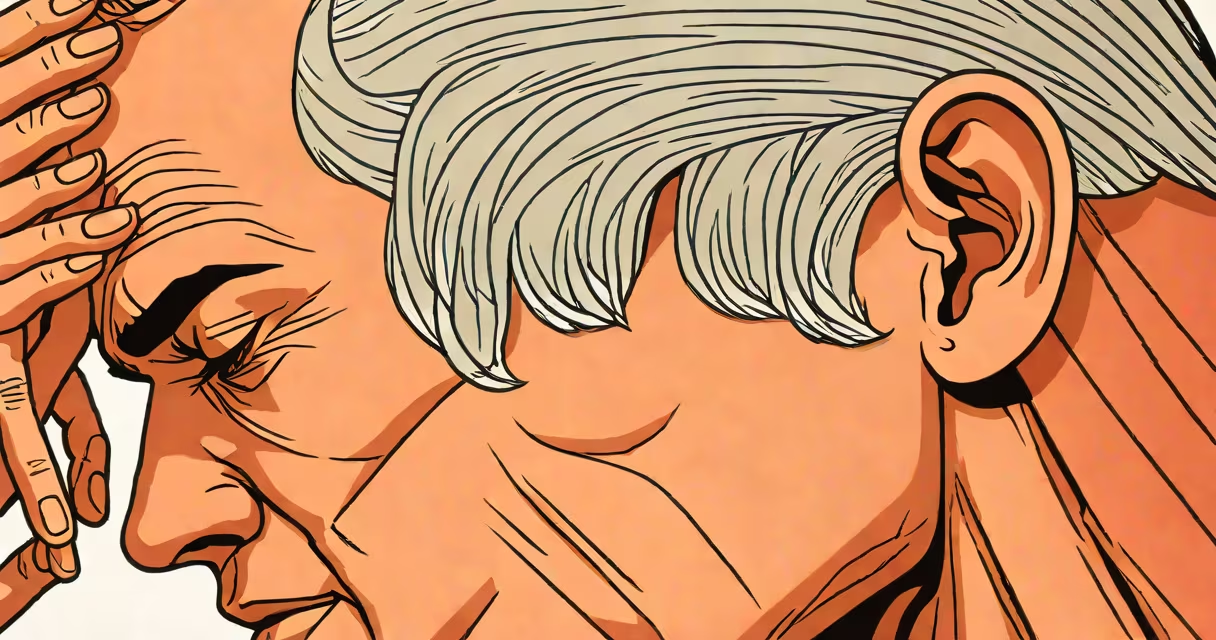
A muscle spasm in scalp is a sudden, involuntary contraction of the muscles in your head, often causing sharp pain or tightness. These spasms typically last seconds to minutes and may feel like a cramp or twitch.
How Muscle Spasms in the Scalp Work
Muscle spasms occur when muscles contract uncontrollably due to nerve irritation, dehydration, or stress. In the scalp, these spasms often involve the temporalis muscle, which covers the temples and helps with chewing and facial expressions. The pain can radiate to the forehead, jaw, or neck.
Main Causes of Scalp Muscle Spasms
Common triggers include:
How to Relieve Scalp Muscle Spasms
Most spasms resolve on their own, but you can speed up relief with these steps:
Massage: Gently rub the affected area in circular motions to relax the muscle.
Heat or cold therapy: Apply a warm compress to ease tension or an ice pack to reduce inflammation.
Stay hydrated: Drink water and eat foods rich in magnesium, like nuts and leafy greens.
Stretch: Gently stretch your neck and shoulders to release tension.
Over-the-counter pain relievers: Ibuprofen or acetaminophen can help if the pain persists.
When to See a Doctor
See a healthcare provider if spasms:
Last longer than a few hours.
Occur frequently without clear triggers.
Are accompanied by numbness, weakness, or vision changes.
Interfere with daily activities.
Preventing Future Spasms
To reduce the risk of scalp muscle spasms:
Manage stress through relaxation techniques like deep breathing or meditation.
Maintain good posture, especially when working at a desk.
Stay hydrated and consume a balanced diet with enough electrolytes.