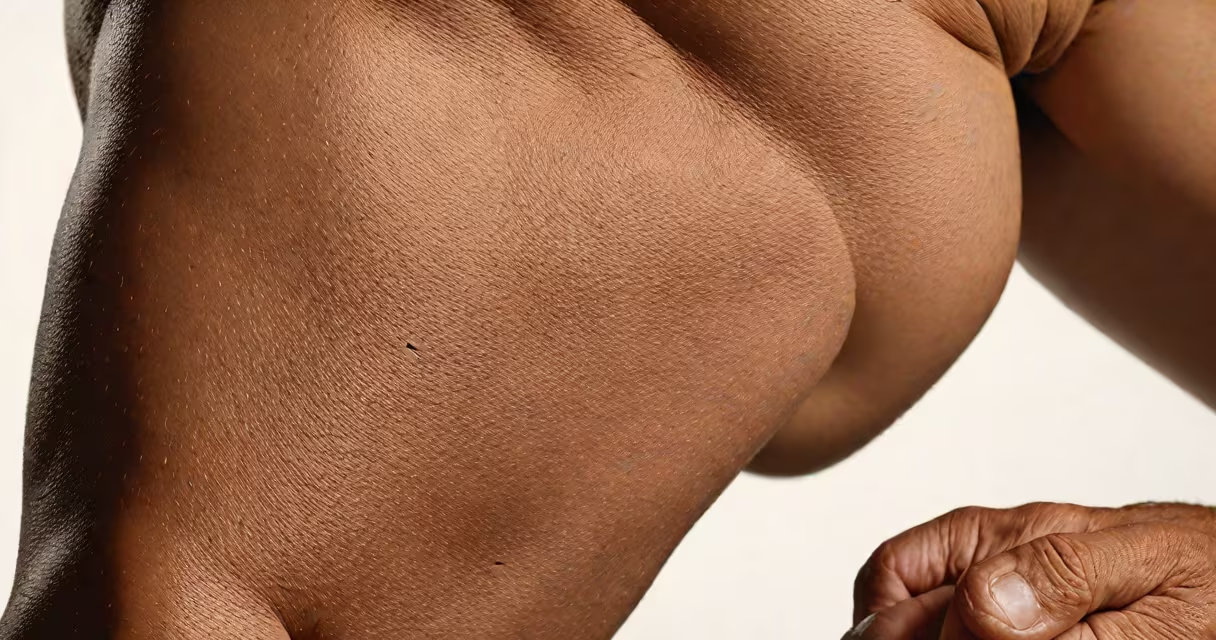
Muscle swelling after workout, also known as post-exercise swelling, occurs when microscopic tears in muscle fibers trigger inflammation and fluid retention. This common response to intense or unfamiliar physical activity typically peaks 24-72 hours later.
During strenuous exercise, muscle fibers experience tiny tears, especially during eccentric contractions (lengthening under load). The body responds by increasing blood flow to the area, delivering nutrients and immune cells to repair the damage. This process causes swelling as fluids accumulate around the affected muscles.
The primary causes of muscle swelling after workout include:
| Type | Description | Timing |
|---|---|---|
| Acute Swelling | Immediate swelling during or right after exercise due to increased blood flow. | Minutes to hours |
| Delayed Onset Muscle Soreness (DOMS) | Swelling and soreness peaking 24-72 hours post-workout due to microtears and inflammation. | 1-3 days |
Many people confuse muscle swelling with muscle fatigue or cramps. While fatigue results from depleted energy stores and cramps from electrolyte imbalances, swelling is specifically tied to inflammation and tissue repair. A study published in the Journal of Applied Physiology confirms that DOMS is primarily caused by microtrauma, not lactic acid.
To reduce muscle swelling after workout, try these methods:
For more detailed relief strategies, see how to relieve muscle pain after a workout.
While muscle swelling after workout is usually normal, seek medical advice if swelling is severe, accompanied by sharp pain, or lasts longer than a week. These symptoms could indicate a more serious injury, such as a muscle tear or rhabdomyolysis, a rare but dangerous condition where muscle tissue breaks down rapidly.
Understanding the causes and managing muscle swelling after workout effectively ensures faster recovery and better performance in future workouts. Always listen to your body and adjust your routine accordingly.