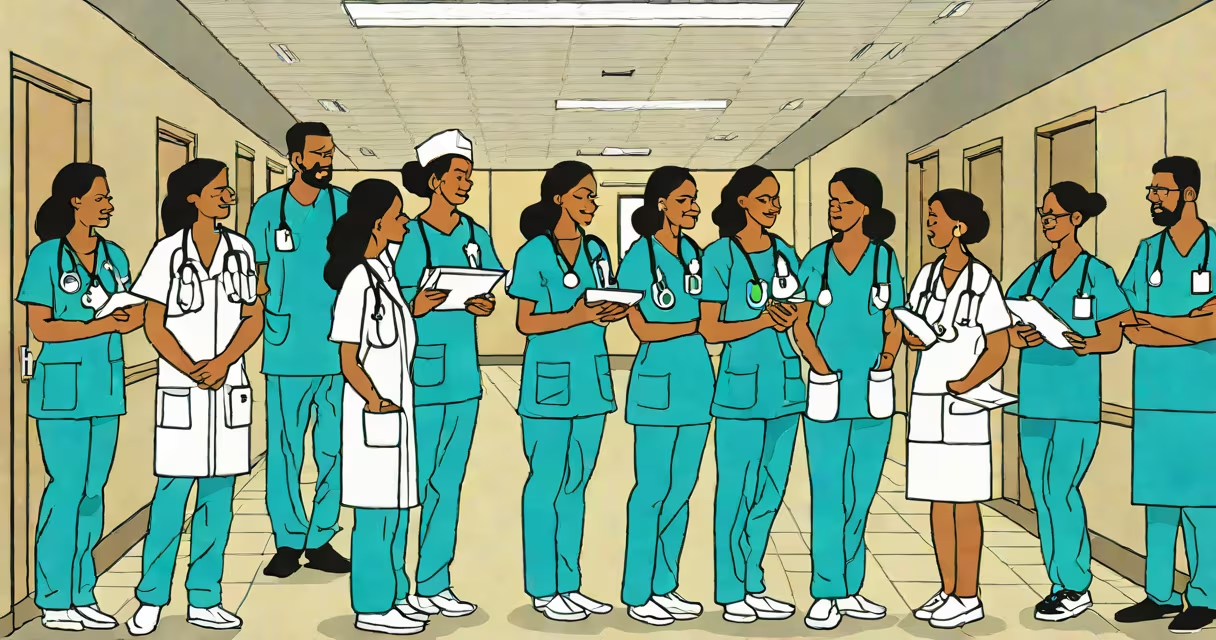
Nurses work in various specialties, each requiring specific skills and certifications. The main types include registered nurses (RNs), licensed practical nurses (LPNs), nurse practitioners (NPs), and certified nurse assistants (CNAs). These roles differ in education, responsibilities, and work settings.
Nursing roles vary based on education level, patient interaction, and medical tasks. For example, RNs diagnose illnesses, while LPNs focus on basic care under RN supervision. NPs hold advanced degrees and can prescribe medications, similar to doctors. CNAs assist with daily living activities for patients who need long-term care.
The nursing field includes over 100 specialties, but most fall into these categories:
| Type | Education | Key Responsibilities |
|---|---|---|
| Registered Nurse (RN) | Associate or Bachelor's degree in nursing | Patient care, treatment planning, medication administration |
| Licensed Practical Nurse (LPN) | Diploma or certificate program | Basic care, monitoring important signs, assisting RNs |
| Certified Nurse Assistant (CNA) | Short certification program | Daily living assistance, bathing, feeding patients |
| Nurse Practitioner (NP) | Master's or Doctoral degree in nursing | Diagnosis, treatment, prescribing medications |
Nurses work in hospitals, clinics, schools, and home healthcare. RNs often work in emergency rooms or intensive care units, while NPs may operate private practices. LPNs and CNAs typically work in long-term care facilities or nursing homes. Some specialties, like flight nurses, work in unique environments such as air ambulances.
Many people confuse LPNs and RNs, assuming they perform the same duties. However, RNs have broader responsibilities, including creating care plans and supervising LPNs. Another misconception is that all nurses work in hospitals-many work in schools, public health departments, or even corporate settings.
According to the American Association of Colleges of Nursing, NPs provide primary and specialty care to millions of Americans annually. Their role is expanding due to physician shortages, particularly in rural areas.
I once shadowed an RN in a pediatric emergency room. The nurse managed multiple critical cases simultaneously, demonstrating the high-stress nature of the job. This experience highlighted the importance of specialized training for different nursing roles.