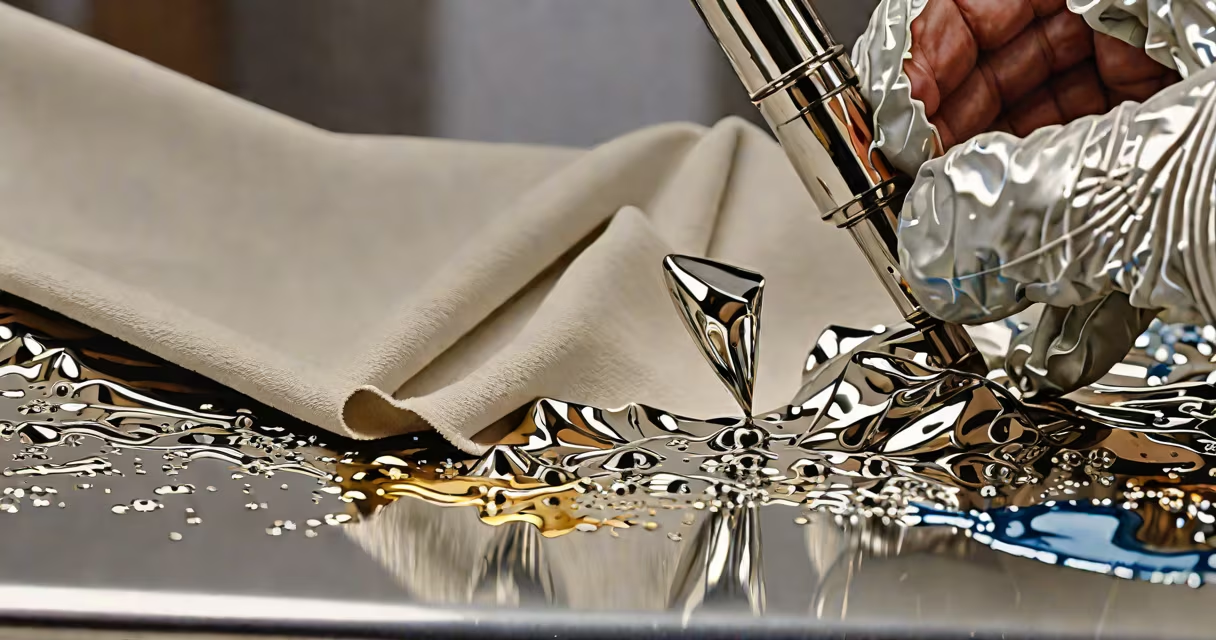
To polish stainless steel, use a microfiber cloth, specialized stainless steel polish, or a soft-bristled brush. These tools remove smudges, fingerprints, and light scratches while preserving the metal's protective coating.
Stainless steel develops dull spots from oxidation, oils, and airborne contaminants. Polishing removes these layers to reveal the shiny metal beneath. Unlike abrasive scrubbing, proper polishing doesn't damage the passive chromium oxide layer that protects stainless steel from corrosion.
The most common tools for polishing stainless steel include:
Polish stainless steel when it appears dull, streaked, or covered in fingerprints. Regular polishing maintains its aesthetic appeal and prevents buildup that could dull the surface over time. For example, kitchen appliances like refrigerators and sinks benefit from monthly polishing to keep them looking new.
Many people believe that abrasive cleaners or steel wool are safe for stainless steel. However, these materials scratch the surface and weaken its protective layer. Always use non-abrasive tools designed specifically for stainless steel.
Another mistake is using vinegar or lemon juice as a cleaning agent. While acidic solutions can temporarily brighten stainless steel, prolonged exposure causes etching and corrosion. Stick to mild soap and water or specialized stainless steel cleaners.
To polish a stainless steel sink:
For heavily tarnished areas, repeat the process or use a polishing pad attachment on a power drill for deeper cleaning.