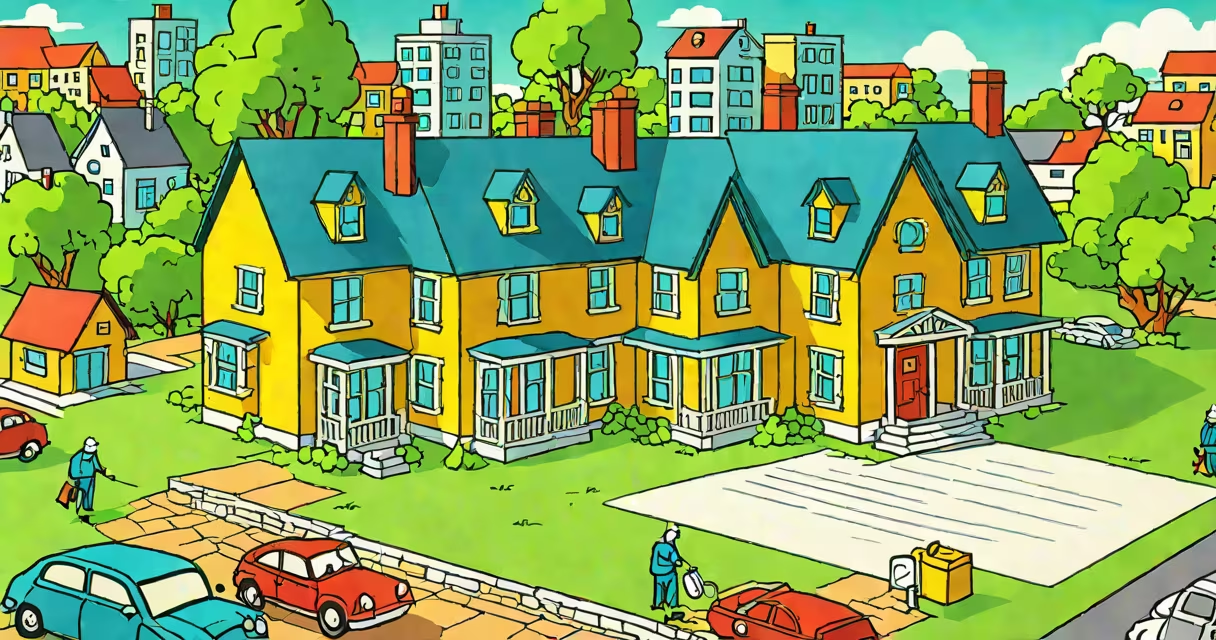
Freehold means owning land or property outright, with no time limit on your ownership. Unlike leasehold, which grants temporary rights, freehold gives you full control over the land and any structures on it.
When you own something in freehold, you hold the land itself, not just buildings on it. This is the highest form of property ownership in common law systems. Freeholders can use, sell, or transfer their property without seeking permission from a landlord or managing entity.
For example, if you buy a single-family home on its own plot of land, you likely own it in freehold. The title deed will explicitly state "fee simple absolute in land," which is the legal term for freehold ownership in the U.S.
| Type | Description | Example |
|---|---|---|
| Fee Simple | The most complete form of ownership, subject only to government laws. | A detached house with its own land. |
| Life Estate | Ownership lasts only for the owner's lifetime, then passes to another party. | A parent leaving property to a child but retaining use during their lifetime. |
| Qualified Fee | Ownership with restrictions, such as future reversion to a previous owner. | Land sold with a condition that it revert if used for non-agricultural purposes. |
Freehold is the dominant form of property ownership in the U.S., Canada, and Australia. In the U.K., it's common for houses but less so for flats, which often use leasehold. Freehold provides stability and long-term investment potential, making it attractive for residential and commercial properties alike.
Most homeowners prefer freehold because it eliminates ground rent and service charges associated with leasehold. However, freehold doesn't always mean complete freedom-local zoning laws, building codes, and environmental regulations still apply.
Many people confuse freehold with outright ownership without any restrictions. In reality, even freehold owners must comply with local laws and regulations. For instance, you can't build whatever you want on freehold land if it violates zoning rules.
Another misconception is that freehold applies only to land. While it primarily concerns land, it extends to any permanent structures attached to that land, such as houses or barns. Detached structures, like sheds or mobile homes, may not automatically qualify unless explicitly included in the deed.
Leasehold grants the right to use land or property for a set period, typically decades or centuries. Leaseholders pay ground rent and may face restrictions on modifications. Freehold, by contrast, offers indefinite ownership with fewer restrictions.
For example, if you buy a condo, you likely own it under leasehold, paying monthly fees to a management company. But if you buy a standalone house, you probably own it in freehold, with no such obligations.
In the U.K., leasehold reforms have reduced its use, particularly for new builds. Developers now favor selling properties as freehold where possible to attract buyers.
Understanding the difference between freehold and leasehold is important when buying property. Always check the title deed to confirm the type of ownership before purchasing.