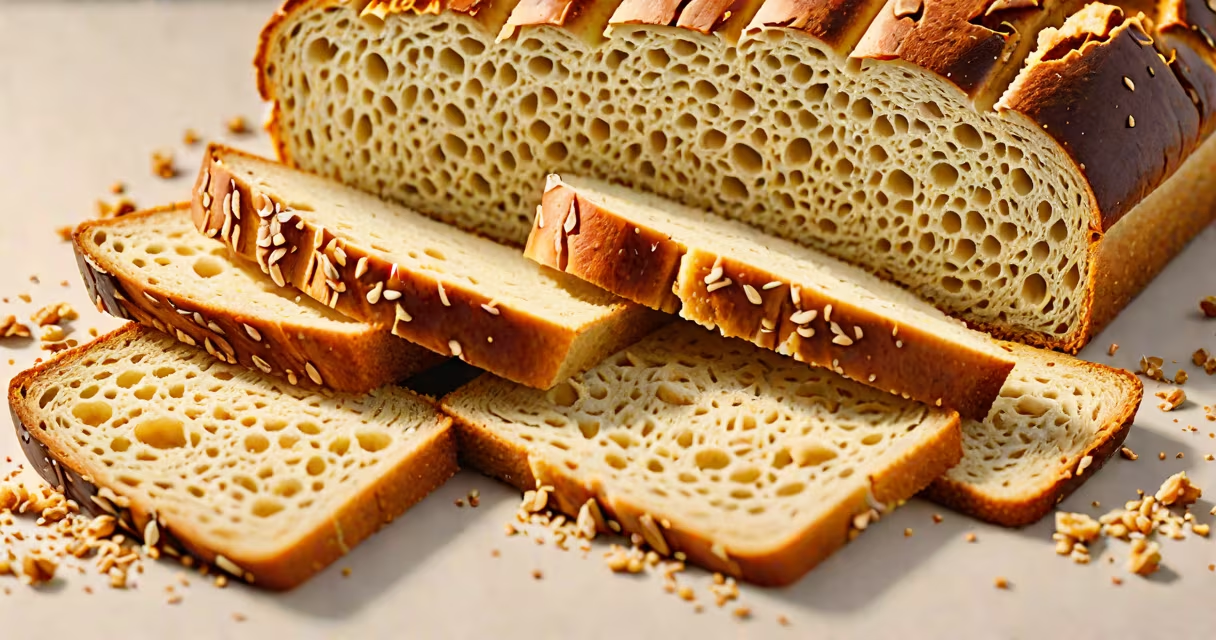
Lecithin is an emulsifier added to bread to improve texture, extend shelf life, and improve moisture retention. It works by binding water and fat, creating a uniform crumb structure.
Lecithin contains phospholipids that interact with both water and fat molecules. This dual affinity allows it to stabilize air bubbles during mixing, resulting in a lighter, more consistent loaf. Unlike other emulsifiers, lecithin doesn't alter flavor, making it ideal for commercial and artisanal baking alike.
Most bread recipes use soy or sunflower lecithin. Soy lecithin is the most common due to its availability and cost-effectiveness, while sunflower lecithin is a popular alternative for those avoiding soy-based ingredients.
| Type | Source | Common Use |
|---|---|---|
| Soy Lecithin | Soybeans | Commercial bread production |
| Sunflower Lecithin | Sunflower seeds | Artisanal and gluten-free baking |
Bakers rely on lecithin to reduce staling, soften crusts, and improve dough handling. A study published in the Journal of Cereal Science found that bread containing lecithin stayed fresh 20% longer than control samples. Many bakeries also use it to replace eggs in vegan formulations.
When testing a whole-grain sourdough recipe, I replaced 0.5% of flour weight with soy lecithin. The result was a softer crumb and a crust that remained pliable for three days. The loaf also rose higher due to improved gas retention.
Some assume lecithin is artificial, but it's naturally occurring in plants and animals. Others believe it's only used in processed foods, yet many small-scale bakeries incorporate it for its functional benefits without compromising quality.