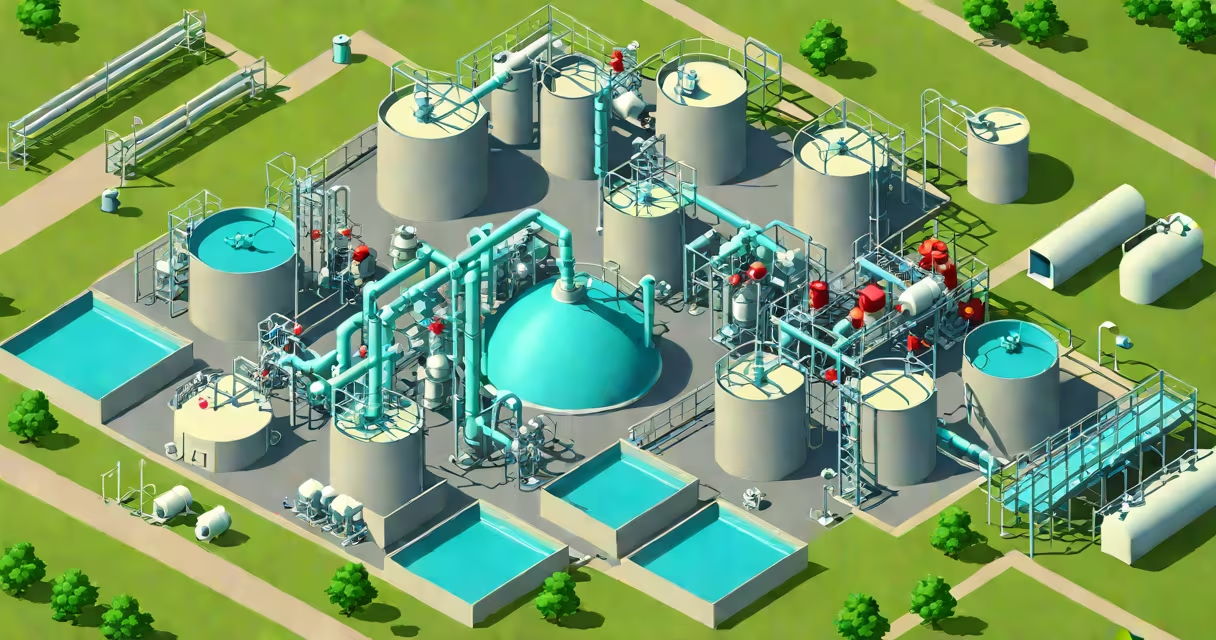
A water treatment facility is a plant that removes contaminants from water through physical, chemical, and biological processes. These facilities ensure clean drinking water and protect the environment.
Water treatment follows several steps. First, screens remove large debris. Then, sedimentation tanks let smaller particles settle. Next, filtration removes finer particles. Finally, disinfection kills bacteria and viruses.
For example, the U.S. EPA requires facilities to test water quality regularly. The process ensures contaminants stay below legal limits.
| Type | Purpose | Example |
|---|---|---|
| Drinking Water Treatment | Makes water safe for consumption | New York City's Catskill/Delaware system |
| Wastewater Treatment | Cleans sewage before release | Los Angeles' Hyperion Water Reclamation Plant |
| Desalination Plants | Removes salt from seawater | Carlsbad Desalination Plant in California |
Water treatment facilities operate worldwide. Cities rely on them for clean drinking water. Factories use them to meet environmental regulations. Even hospitals need them to prevent infections.
For instance, CDC guidelines recommend treating water to prevent diseases like cholera and dysentery. Proper treatment saves lives.
Many people think water treatment only involves chlorine. However, modern facilities use multiple methods. Some facilities even use ultraviolet light or ozone for disinfection.
Another myth is that treated water has no taste. In reality, treatment can affect taste. Some facilities add minerals back to improve flavor.
Singapore faced water shortages due to limited land. So, they built advanced wastewater treatment plants called NEWater. These plants recycle wastewater into ultra-clean water.
The process includes microfiltration, reverse osmosis, and ultraviolet disinfection. Today, NEWater supplies up to 40% of Singapore's water needs.
I visited a similar facility in California. Seeing the massive tanks and complex machinery was impressive. It showed how important these plants are for modern life.
Water treatment facilities are essential for public health and the environment. They provide clean water for drinking, industry, and agriculture. Without them, contamination would spread quickly.