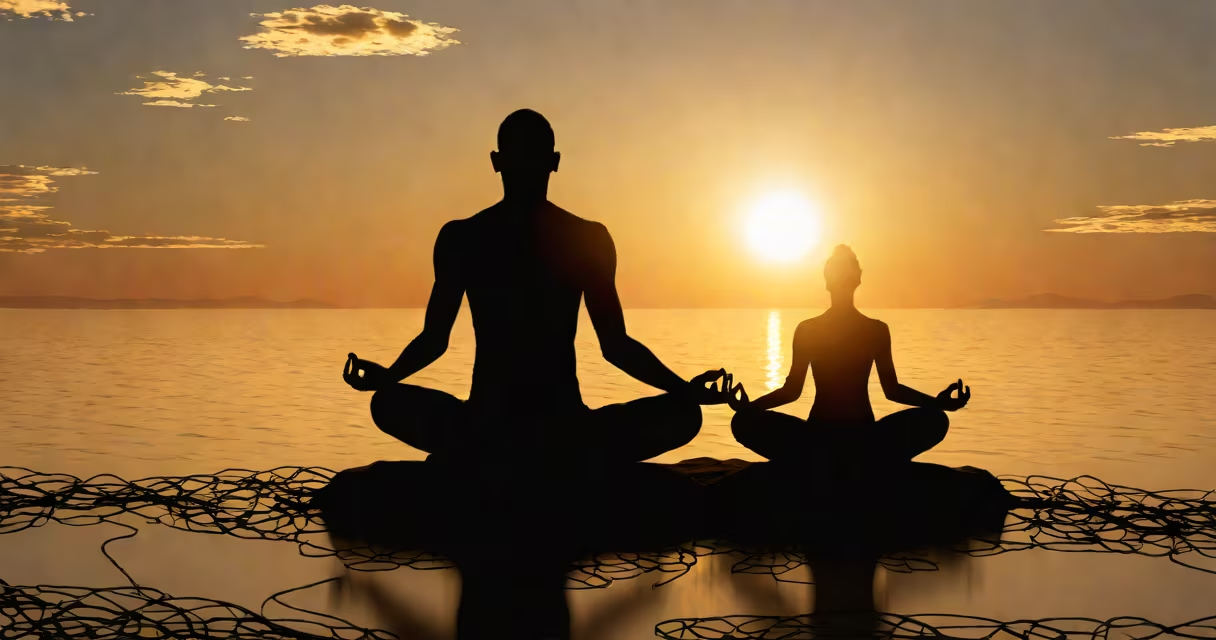
Being spiritual means seeking purpose, inner peace, and connection to something greater than oneself, often through personal growth rather than organized religion.
This pursuit can involve meditation, mindfulness, or exploring philosophical questions about existence. While spirituality often intersects with religion, it doesn't require adherence to any specific faith. Instead, it emphasizes personal experiences and a sense of interconnectedness with the universe, others, or a higher power.
Spirituality operates through practices and mindsets that cultivate awareness, gratitude, and presence. For example, daily meditation helps many people feel more connected to their inner selves and the world around them. Others find spirituality through nature walks, journaling, or acts of service. The key is that these practices build a deeper sense of meaning and tranquility.
A common misconception is that spirituality requires belief in a deity. However, many spiritual people identify as agnostic or atheist while still feeling deeply connected to something transcendent. This could be the natural world, the human experience, or even the mysteries of the cosmos.
Spirituality takes many forms, but it generally falls into these categories:
| Type | Description | Example Practices |
|---|---|---|
| Religious Spirituality | Rooted in organized religion but personalized | Prayer, church attendance, sacred readings |
| Secular Spirituality | Focuses on inner growth without religious ties | Meditation, yoga, mindfulness exercises |
| Nature-Based Spirituality | Finds meaning in the natural world | Forest bathing, gardening, stargazing |
| Energy-Based Spirituality | Believes in unseen forces like chakras or aura | Reiki, crystal healing, energy cleansing |
People explore spirituality in various settings, from quiet solitude to communal gatherings. Some attend retreats or workshops focused on mindfulness and self-discovery. Others integrate spiritual practices into daily life, such as starting the day with a few minutes of deep breathing or ending it with reflective journaling.
The "why" behind spirituality varies. For some, it's about coping with stress or trauma. For others, it's a quest for deeper meaning in a chaotic world. Research from Journal of Religion and Health suggests that spiritual practices can improve mental well-being by reducing anxiety and depression.
One mistake people make is confusing spirituality with religious dogma. While religion provides structure, spirituality is more fluid and personal. Another misconception is that spirituality requires rejecting science or logic. In reality, many spiritual people embrace both scientific understanding and mystical experiences.
Spirituality is also often misunderstood as passive or escapist. However, many spiritual traditions emphasize active engagement with life, such as practicing compassion or working toward social justice. For example, the Seven Sacraments in Christianity include rituals like marriage and baptism, which are deeply spiritual yet grounded in community and action.
I once attended a silent meditation retreat where participants shared stories afterward. Many described feeling a profound sense of connection-not just to themselves but to each other and the world. This collective experience highlighted how spirituality can bridge individual and communal well-being.
Another distinction is between spirituality and mindfulness. While mindfulness focuses on present-moment awareness, spirituality adds a layer of meaning and purpose. Someone might practice mindfulness without being spiritual, but spirituality often includes mindfulness as part of its broader structure.
The definition of being spiritual centers on finding purpose and inner peace through personal growth and connection. Whether through religion, nature, or inner reflection, spirituality offers a way to go through life's challenges with greater clarity and calm. By exploring different practices and understanding its nuances, anyone can develop their own spiritual path.