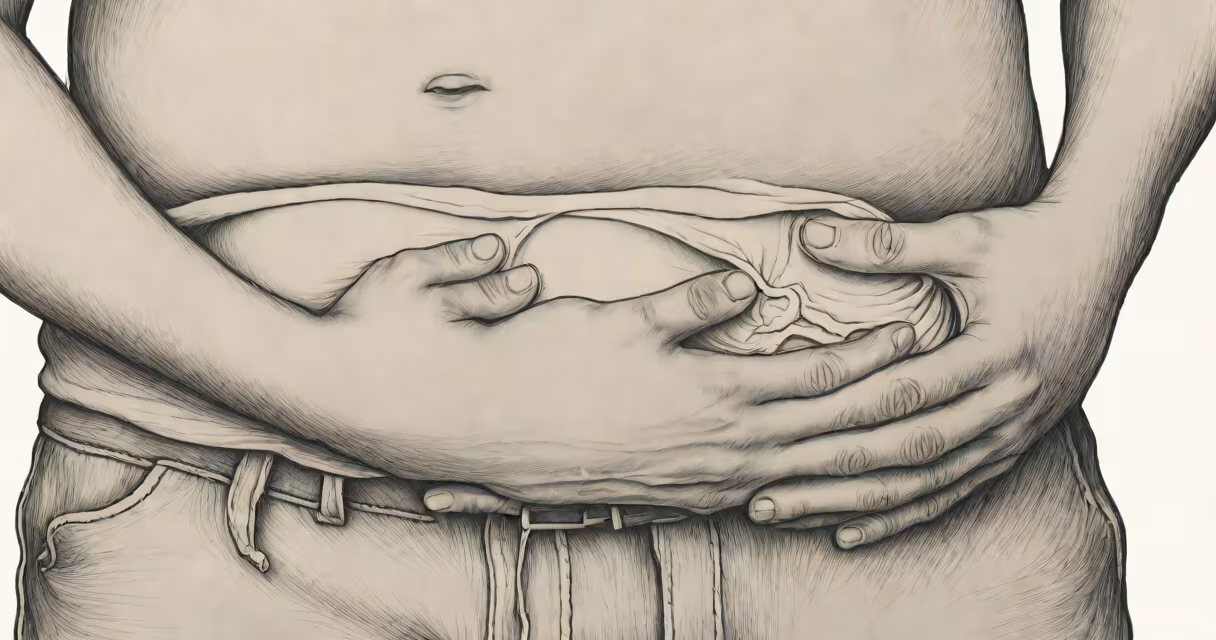
Pain in stomach after stomach flu occurs when the stomach lining remains inflamed or irritated long after the virus has cleared. This discomfort often stems from weakened digestion, bacterial overgrowth, or lingering nerve sensitivity.
The stomach flu, typically caused by norovirus or rotavirus, triggers inflammation in the stomach and intestines. Even after the virus resolves, the digestive tract may take days or weeks to fully recover. During this time, stomach muscles may spasm, and nerves may remain hypersensitive, causing cramping or aching.
The most common causes of post-stomach flu pain include:
Most people feel better within 3-7 days, but some experience pain for weeks. A 2018 study in Clinical Gastroenterology and Hepatology found that 15% of patients had lingering stomach pain for over a month. To speed recovery, eat small, bland meals and avoid greasy or spicy foods.
Seek medical attention if pain lasts over a week, worsens suddenly, or comes with fever, bloody stools, or vomiting. These could signal complications like post-viral gastritis or bacterial infections.
I once had stomach pain for 10 days after a stomach flu. My doctor confirmed it was due to temporary low stomach acid. Probiotics and ginger tea helped ease the discomfort.
Many assume the pain is just "part of getting sick," but persistent discomfort often has treatable causes. Another mistake is rushing back to a normal diet too soon. Eating fiber-rich foods like bananas or oatmeal can actually help repair the gut lining.